OBLIQUES
DIFFERENT TYPES OF OBLIQUE MOVEMENT
-
Upper body rotates while lower body stabilizes.
Examples:
Bicycle Kicks
Mermaid with a Twist
Torso Twists
-
Upper body stays stabilized while the lower body rotates or is in a rotated position
Twisted Wheelbarrow Series
Twisted Saw Series
Twisted Cobra Series
Twisted Plank Crunch Series
Twister Series
Kneeling Oblique Crunch Series
Kneeling Inchworm Series
-
When the obliques are used to keep the spine and hips stabilized.
Bird Dog
Chopsticks
Single Leg Saw
Froggy Kicks
Oblique Sweep
Side Plank
Deadbug
-
Obliques bend the torso to the side by shortening one side of the waist.
Mermaid
Kneeling Oblique Crunch Series
Kneeling Inchworm Series
Twister Series
QUADRATUS LUMBORUM
(SPINAL MUSCLE)
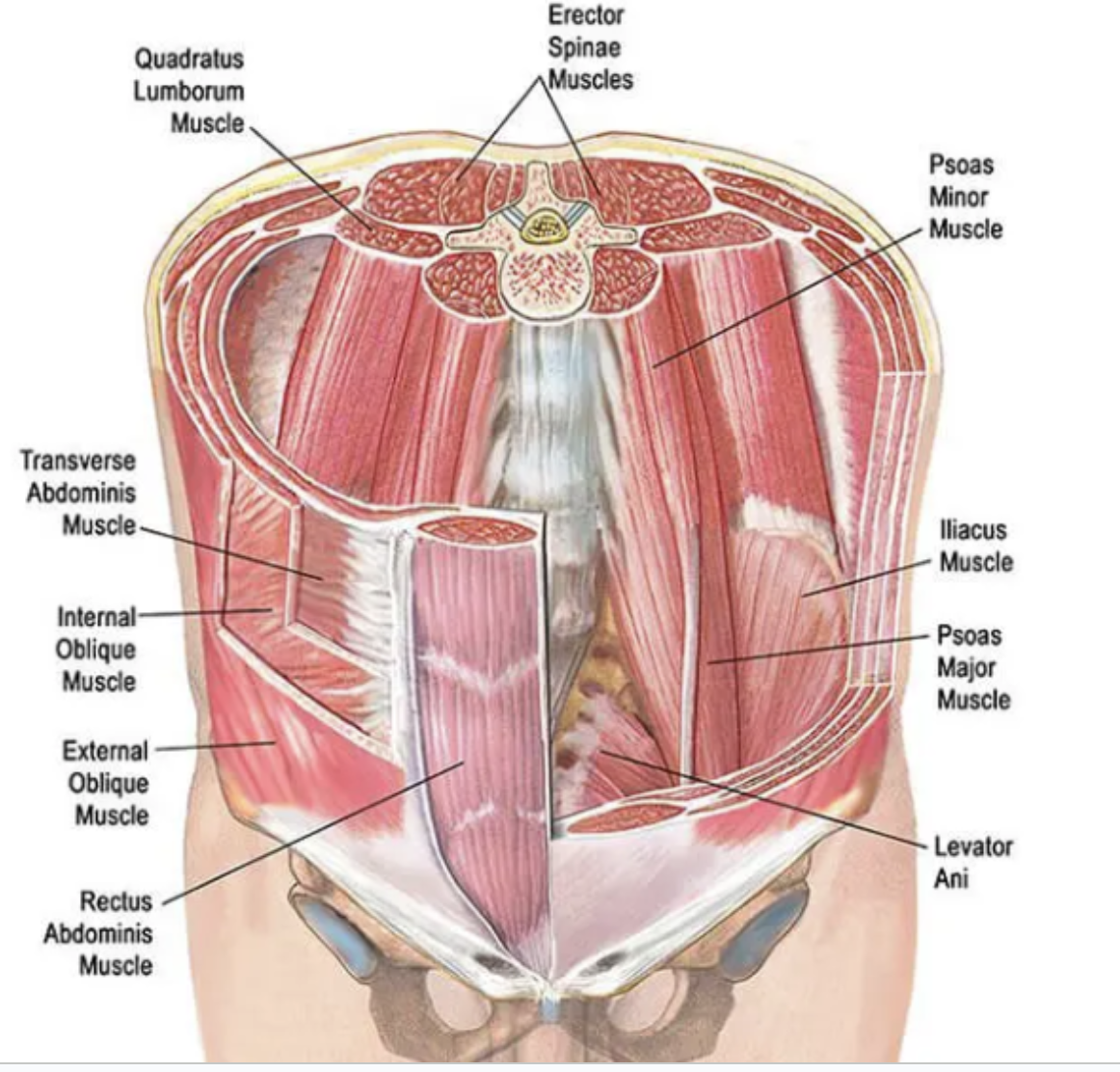
Quadratus Lumborum “QL’s” (Deep Spine Muscle): paired muscles located on either side of the lower back, between the pelvis and the lower ribs.The job of the QL’s are to help with posture and spinal stability, bending side to side, stabilizing the pelvis during forward movement (lunges, walking), and help with anchoring the ribcage to support breath .
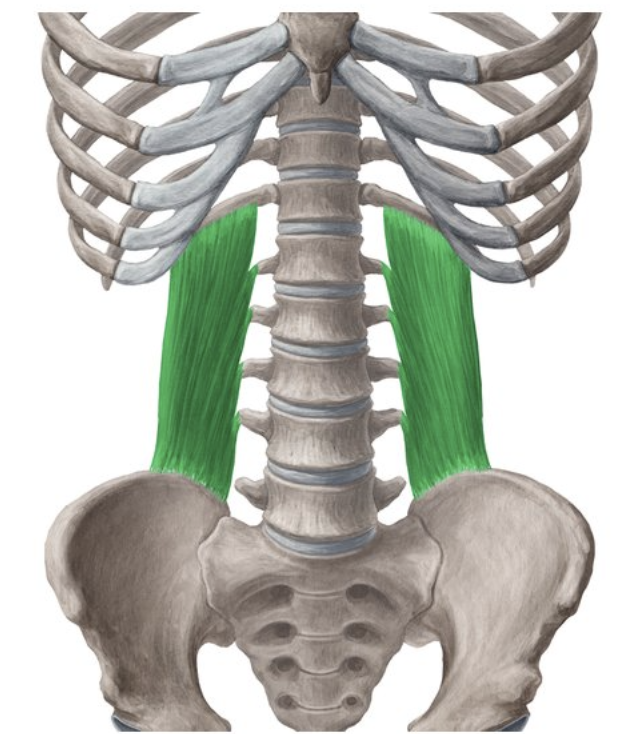
Core (LP) movements that activate the quadratus lumborum (QLs) focus on stabilizing the pelvis, supporting the lower back, and maintaining balance. Key moves include:
Side Plank Variations (e.g., Side Plank to Pike): Engages the QLs to support stability.
Twister at the Back: Activates the QLs as the torso rotates while maintaining spinal alignment.
ALL Lunge: Stabilizes the pelvis during slow, controlled lunges.
Spider Kick: Works the QLs to maintain balance and prevent lateral tilt.
Side Leg Sweep: Engages the QLs to stabilize the torso during leg movement.
These moves enhance core stability, improve posture, and build strength in the lower back and sides.
MULTIFIDUS
(SPINAL MUSCLE)
Multifidus (Intermediate Spine Muscles): The multifidus is a deep spinal muscle running along the vertebrae, from the neck to the pelvis. It stabilizes the spine by preventing excessive movement and provides support during bending, twisting, and lifting. By working with other core muscles, the multifidus helps maintain posture, protect the spine, and improve overall movement efficiency.
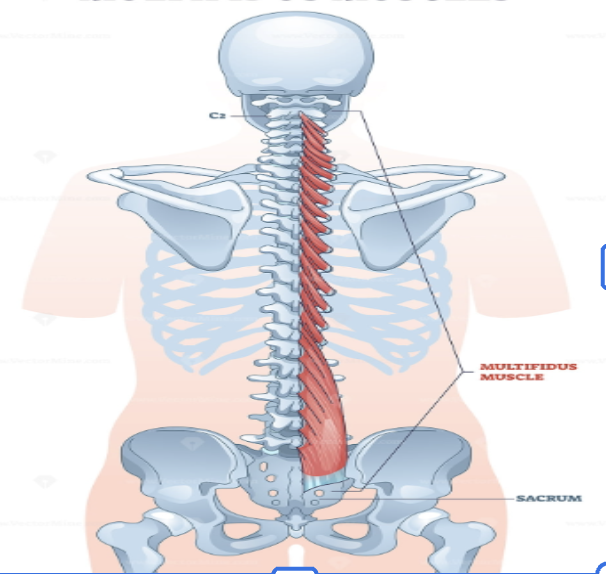
Movements that engage the multifidus focus on spinal stability, balance, and controlled movement. Here are key moves that activate this deep spinal muscle:
Plank Variations (e.g., High Plank, Plank to Pike): Stabilizes the spine during sustained or dynamic plank positions.
Super Lunge: Requires spinal alignment and balance as you move through controlled lunges.
Oblique Sweep: Activates the multifidus to stabilize the spine during unilateral leg movement.
Back High Bar Plank Crunch: Works the multifidus as you maintain spinal control during dynamic carriage motion.
Kneeling Torso Twist: Engages the multifidus as you rotate and stabilize the spine.
These moves build core strength, protect the spine, and enhance posture by integrating the multifidus into the workout.
ERECTOR SPINAE
(SPINAL MUSCLE)
Erector Spinae: A group of three muscles (iliocostalis, longissimus, and spinalis) that run along both sides of the spine, from the neck to the lower back. These muscles work together to extend the spine, maintain posture, and provide stability during bending, lifting, and twisting movements. A strong erector spinae supports spinal health, reduces the risk of back pain, and enhances functional strength.
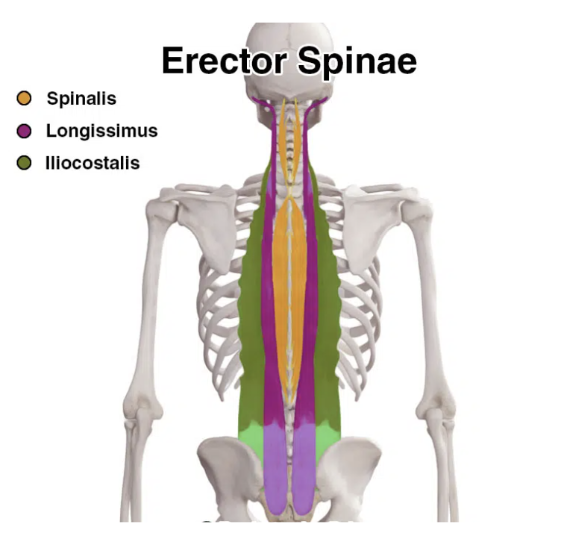
Core (LP) moves that engage the erector spinae focus on spinal extension, stability, and control. Key moves include:
Plank Variations (e.g., High Plank, Forearm Plank): The erector spinae helps stabilize the spine and maintain posture during long holds.
Back Extensions: Target the erector spinae by lifting the chest and legs off the carriage or mat while keeping the spine extended.
Squats and Lunges: The erector spinae works to keep the spine aligned and stable as you lower into the squat or lunge.
Lunges: The erector spinae helps stabilize the torso as you move between positions, keeping the spine neutral.
These moves strengthen the lower back, improve posture, and provide stability for functional movement.
TRANSVERSE ABDOMINUS
(ABDOMINAL MUSCLE)
Transverse Abdominis: The Transverse Abdominis (also known as the Transversus) is the deepest muscle of the core (meaning it's underneath all the other muscles). It wraps laterally around the abdominal area. This muscle acts as a natural weight belt, keeping your insides in. This muscle is essential for trunk stability as well as keeping your waist tight.
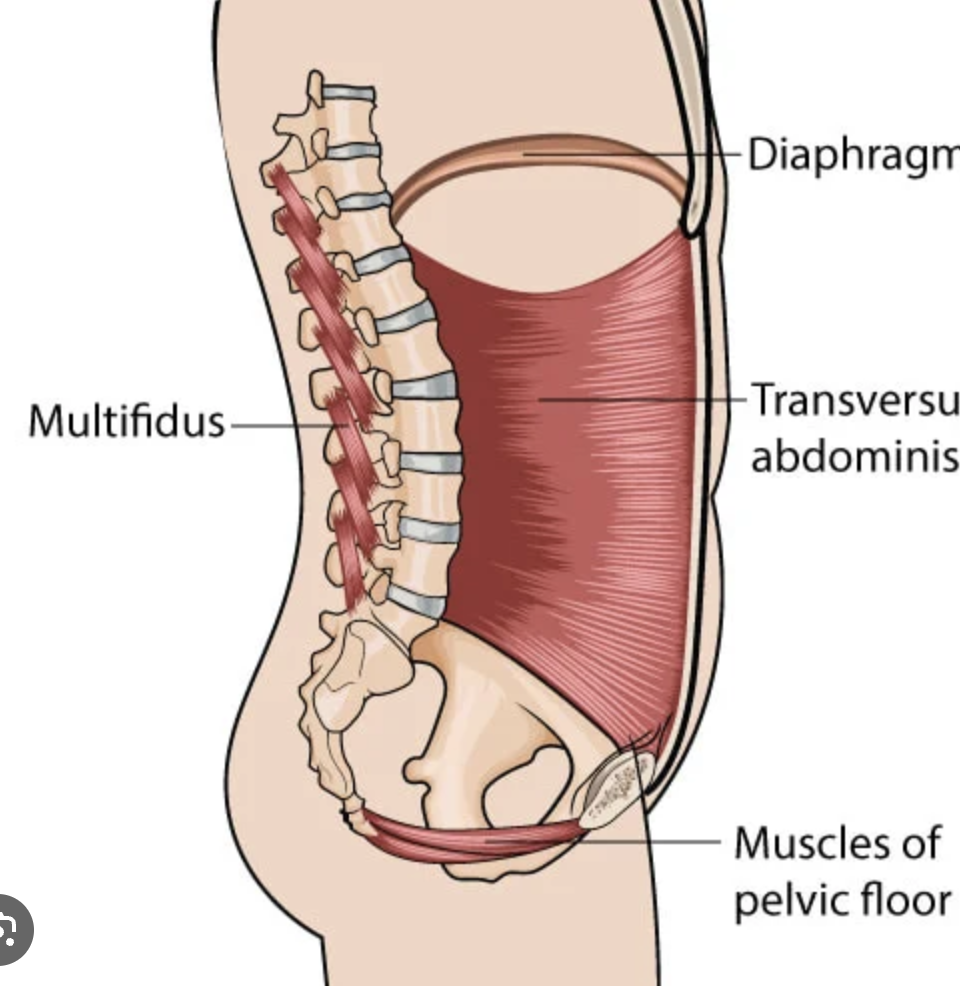
Moves that target the transverse abdominis (TA) focus on deep core stabilization and support for the spine and pelvis. Key moves include:
Plank to Pike
Plank Crunch
Wheelbarrow
Cobra
Scoop
These moves help strengthen the deep core, improve posture, and support functional movements.
EXTERNAL OBLIQUES
(ABDOMINAL MUSCLE)
External Obliques: Located on the outer layer of the abdomen, these muscles run diagonally from the lower ribs to the pelvis. They are responsible for trunk rotation and side bending, as well as stabilizing the spine during movement. To twist to the left, you are contracting the right external oblique muscle.
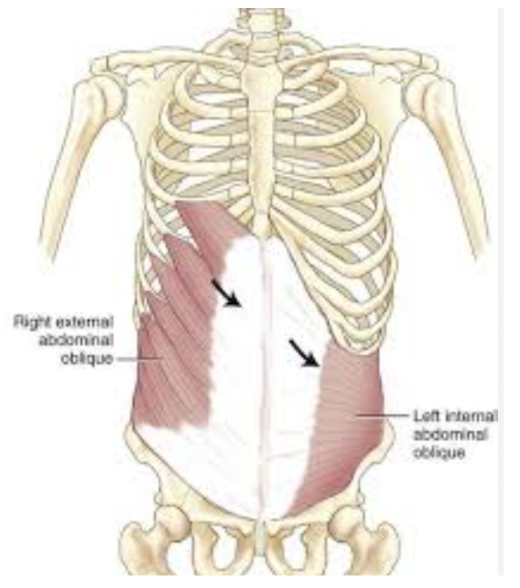
Core (LP) moves that target the external obliques focus on rotational movements and lateral flexion to engage the sides of the core. Key moves include:
Side Plank Variations: The external obliques work to stabilize and rotate the torso while maintaining side plank positions.
Twister + Twister at the Back: A rotational movement that engages the external obliques as you twist the torso from side to side while maintaining stability.
Kneeling Oblique Crunch: Engages the external obliques as you twist
Side Leg Sweep: The external obliques help stabilize the torso while the legs move through controlled sweeps.
Torso Twists: A seated or kneeling twist that engages the external obliques to rotate the spine while keeping the hips stable.
These moves strengthen the external obliques, improve rotational power, and enhance overall core stability.
INTERNAL OBLIQUES
(ABDOMINAL MUSCLE)
Internal Obliques: Positioned beneath the external obliques, these muscles run in the opposite diagonal direction, from the pelvis to the ribs. They assist with trunk rotation, side bending, and help stabilize the pelvis and lower back. They work opposite of the external obliques. For instance, to turn the body to the right, you would be contracting the right internal oblique muscle but the left external oblique muscle.
Moves that target the internal obliques focus on stabilization and rotation, engaging the deeper layers of the core. Key moves include:
Twisted WB
Twisted Cobra: Rotational movement where the internal obliques help control the twist, focusing on core engagement.
Side Planks
Torso Twists
Oblique Sweeps + Froggy Kicks
These moves enhance core strength, improve rotational movement, and promote stability in the lower back and pelvis.
HIP FLEXORS
(HONORABLE MENTION)
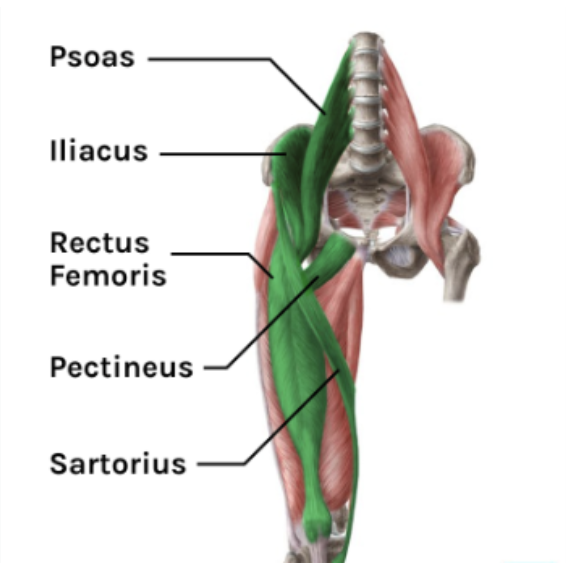
Hip Flexors: (an honorary mention in the core muscles): The hip flexors are a group of muscles at the front of the hip, primarily including the iliopsoas, rectus femoris, and sartorius. Their main function is to allow the bending (flexion) of the hip joint, which brings the thigh toward the torso. They are involved in movements like walking, running, and lifting the legs, as well as maintaining stability in the pelvis.
IN SUMMARY
There is a predominance of Slow Twitch fibers in your abdomen muscles so they generally respond better to slow and controlled movements of long durations (at least 60 seconds).