
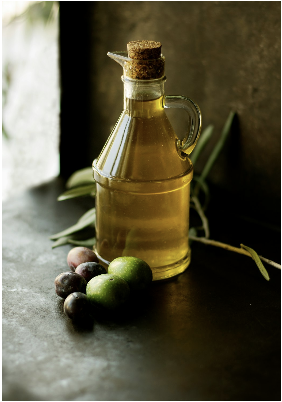
Seed Oils: Are They Really as Bad as Social Media Says?
If you’ve spent any time on social media lately, you’ve probably seen someone telling you to throw out your canola oil, avoid anything containing soybean oil, and switch to cooking exclusively with beef tallow or butter.
Apparently, seed oils are the latest ingredient we’re supposed to be afraid of.
The claims are pretty dramatic. Seed oils are supposedly inflammatory, toxic, harmful to your hormones, and responsible for everything from chronic disease to weight gain. And, as is usually the case with nutrition trends, the advice is delivered with a whole lot of confidence and not always a whole lot of context.
So, are seed oils actually bad for you? Should you be avoiding them? And is swapping your canola oil for beef tallow really the health upgrade the internet claims it is?
Let’s break it down.
First, what exactly are seed oils?
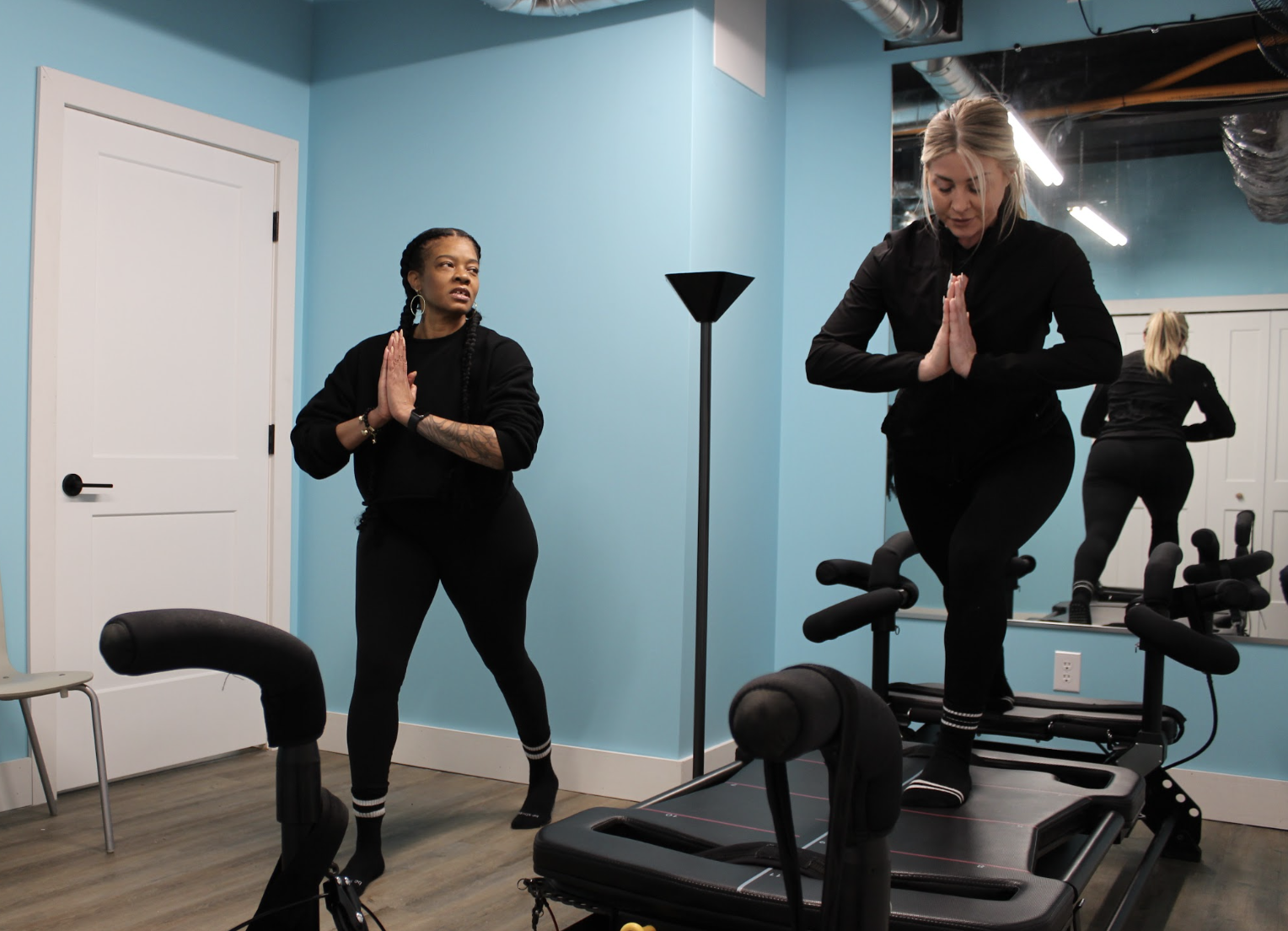
What Happens During a Private Training Pilates Session?
A lot of people enter Pilates studios wanting group training, yet they've never been on a machine before. And don't get me wrong—the energy of a group class can be super fun. The music is high, the lights are low, and my competitive people are seeing how much longer they can out-plank their neighbor.
But the number one thing we hear from new clients is that they're nervous because they've never been on a machine before.
Now, that doesn't mean private training is just for people who are nervous or brand new.
When you have super specific goals, have never been on a reformer, haven't been working out, or quite frankly want something completely tailored to you and your body, private training can be one of the most effective ways to train.
So much so that Pilates and Lagree actually started as personal training.
And so did Core (LP).
Private training allows us to slow things down when we need to, answer your questions in real time, pay attention to the details and build the workout around you.
10 Ways to Keep Showing Up Once the Novelty of a New Workout Has Worn Off
The new workout is fun at first. You bought the cute workout clothes. You downloaded the app. You found the playlist. You're excited about your new routine. You're telling everyone about your new reformer workout.
And then a few weeks go by. The workout isn't new anymore. It's Tuesday. You're tired. Work was annoying. Your couch looks really damn comfortable. And suddenly the thing you were so excited about isn't quite as exciting anymore.
This is the part where you actually start building a habit.
The novelty was never supposed to last forever. The goal isn't to stay excited about your pilates-inspired strength training workout every single day. The goal is to keep showing up when the excitement wears off.
Here are 10 ways to do that.
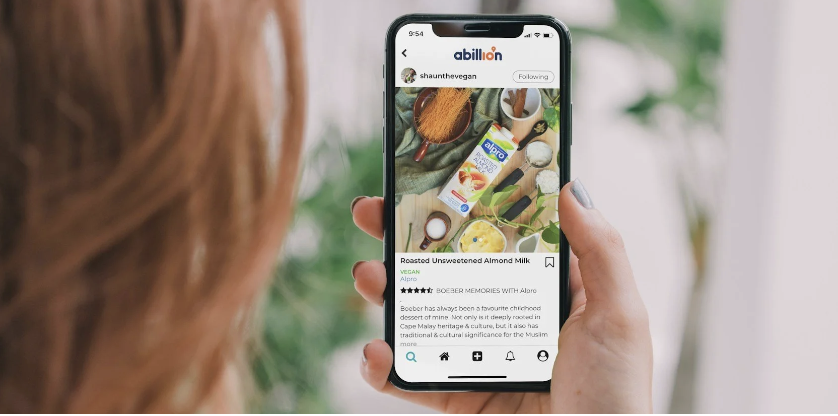
How Do I Know Which Nutrition Information Online is Actually Credible?
Written by Amelia Brunet, MS, RD
Registered Dietitian
If you have ever opened TikTok to watch one video and somehow ended up 45 minutes later convinced that seed oils are toxic, gluten is ruining your gut, and you need $80 greens powder to survive… welcome to the internet.
We have access to more nutrition information than ever before. The problem? Not all of it deserves our attention or our trust.
Between TikTok, Instagram, podcasts, blogs, influencers, and “What I Eat in a Day” videos, it can be incredibly difficult to figure out what is actually evidence-based and what is simply a confident person with a ring light and a discount code.
So, how can you tell the difference?
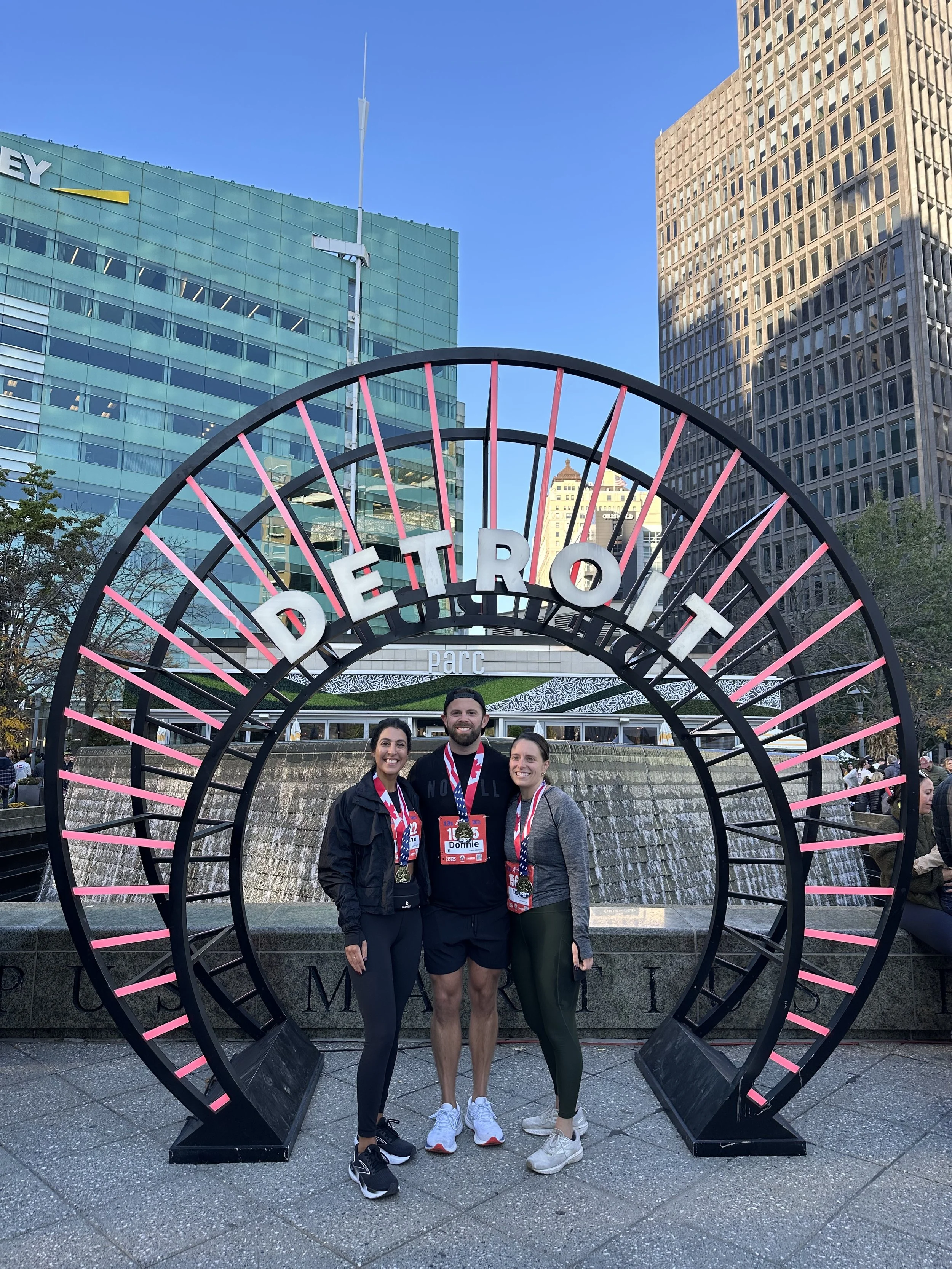
Best Running Routes in Metro-Detroit
If you're a runner, you probably already know that strength training and running make a pretty damn good combination.
You don't need to give up your miles because you're strength training. In fact, getting stronger can be a huge part of becoming a more well-rounded runner.
So if you're doing your Core (LP) classes a few days a week and looking for somewhere to get your miles in on the days between, here are a few of the routes I'd recommend around our Berkley and Rochester Hills studios.
Not every run needs to be a training run. Sometimes you just need somewhere pretty to go run.
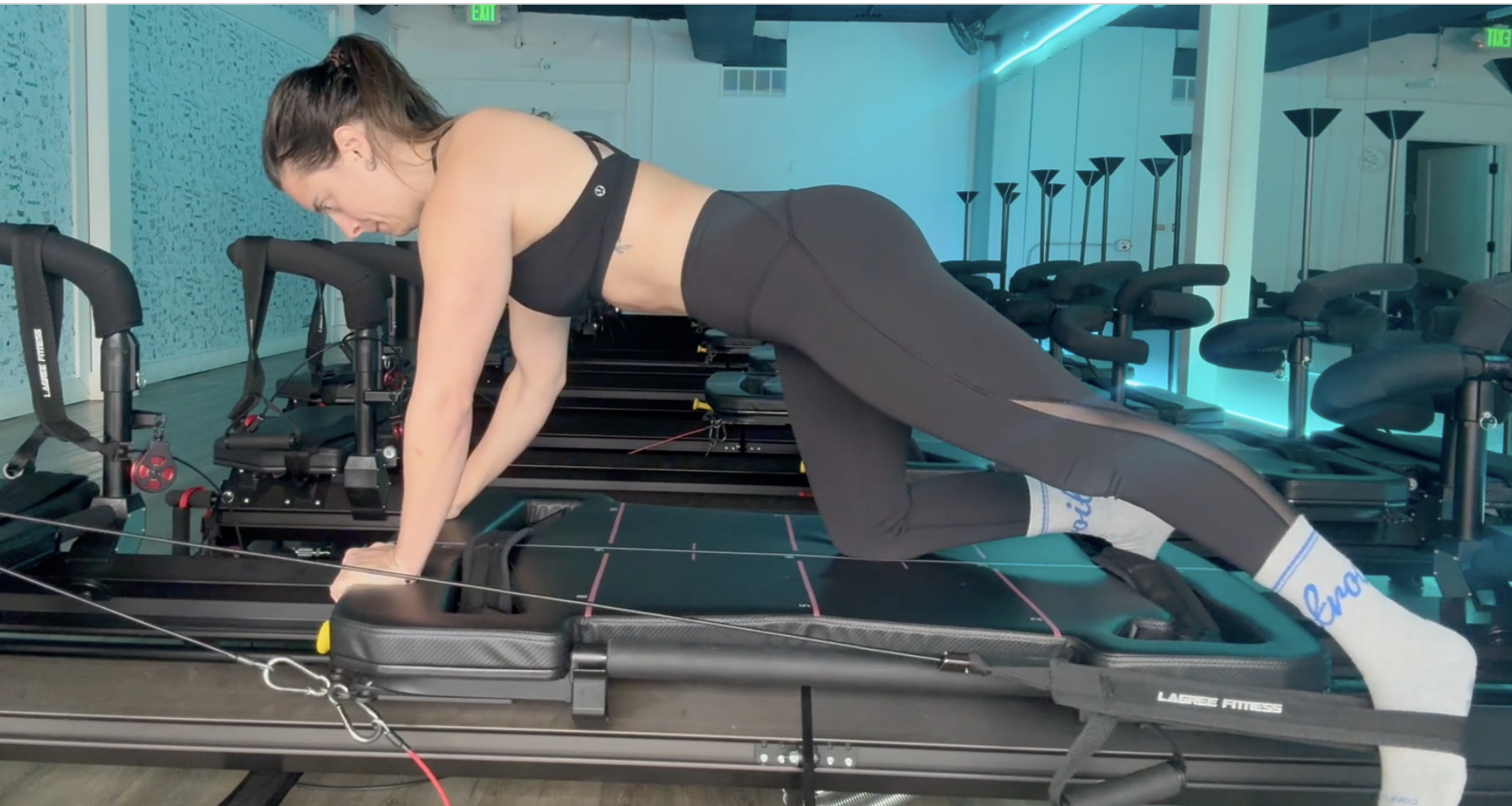
The Workout Everyone Thinks Is Pilates…Until They Take It
We talk a lot about the results our clients get at Core (LP).
We talk about getting stronger. Building muscle. Improving core strength. Supporting your running. Training without beating up your joints. Feeling better in your body.
But what actually…is the workout? Maybe you’ve looked at our machines and assume you know what you're getting.
It's a reformer, so it's Pilates. And if it's Pilates, it can't really be strength training. Right?
Wrong.
This is one of the biggest misconceptions I hear, and I think it's worth explaining exactly what we're doing when you walk into a Core (LP) session.
Because yes, it looks different from traditional strength training.
But different doesn't mean less effective.
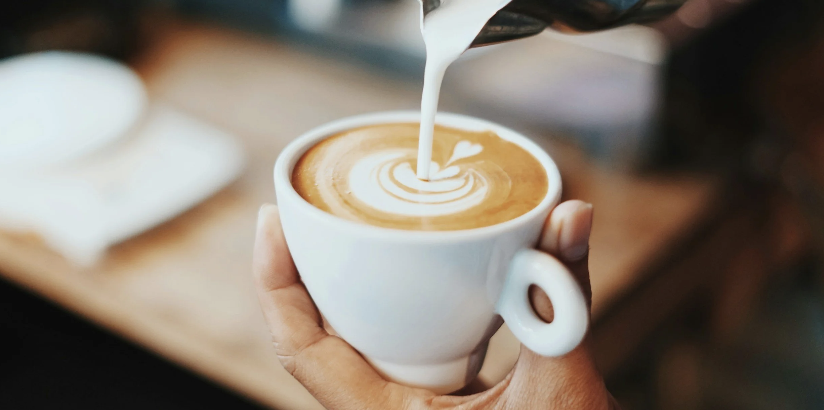
Coffee Isn’t Breakfast: Why Active Women Should Stop Skipping Their Morning Fuel
Written by Amelia Brunet, MS, RD
Registered Dietitian
If your breakfast is an iced coffee with a splash of almond milk and good intentions, this one’s for you.
You’ve probably heard that breakfast is “the most important meal of the day.” I’m not here to tell you that you have to eat the second you wake up or that breakfast is some magical metabolism-boosting meal. But if you’re regularly doing Core (LP), lifting, running, or any other type of exercise, consistently going through your morning under-fueled may not be doing you any favors.
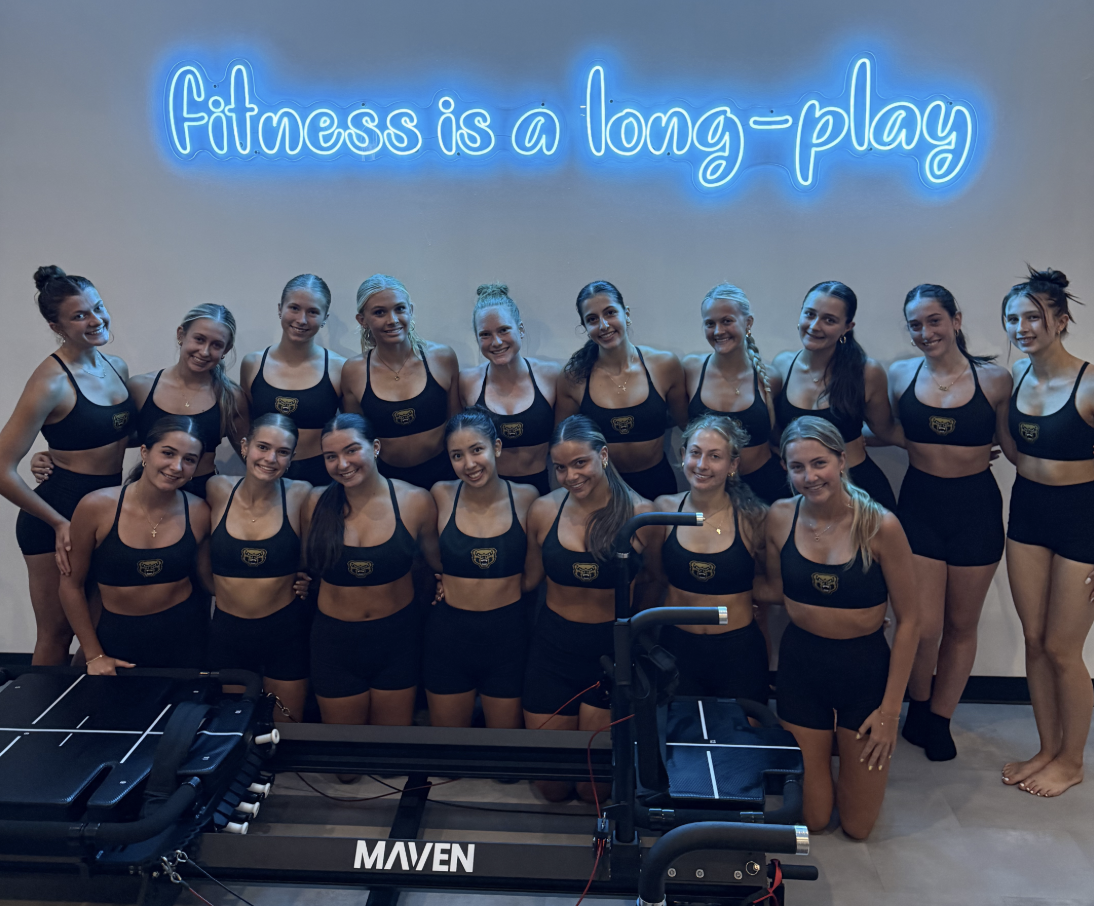
You Don't Need to Find Your Motivation. You Need to Decide.
I’ll be the first to say it as a trainer and owner of a fitness studio. Motivation goes in waves.
Sometimes I'm on a high and I'm excited to run, excited to work out, eating well, feeling good and really on top of things. Other times I just need someone to keep me accountable.
When I sign up for a group class, when I put my card down for personal training, you bet your ass I’m going to be there.
Because now I've done three things:
1. I've made a promise to myself.
2. There's someone there waiting for me.
3. I've made an investment.
I put my money behind the decision.
And all three of those things make a difference for me.
Because let’s be 100% honest for a second. You can know exactly what you should be doing and still need accountability to actually do it. That’s pretty human.
Why Core Strength Is About More Than Visible Abs
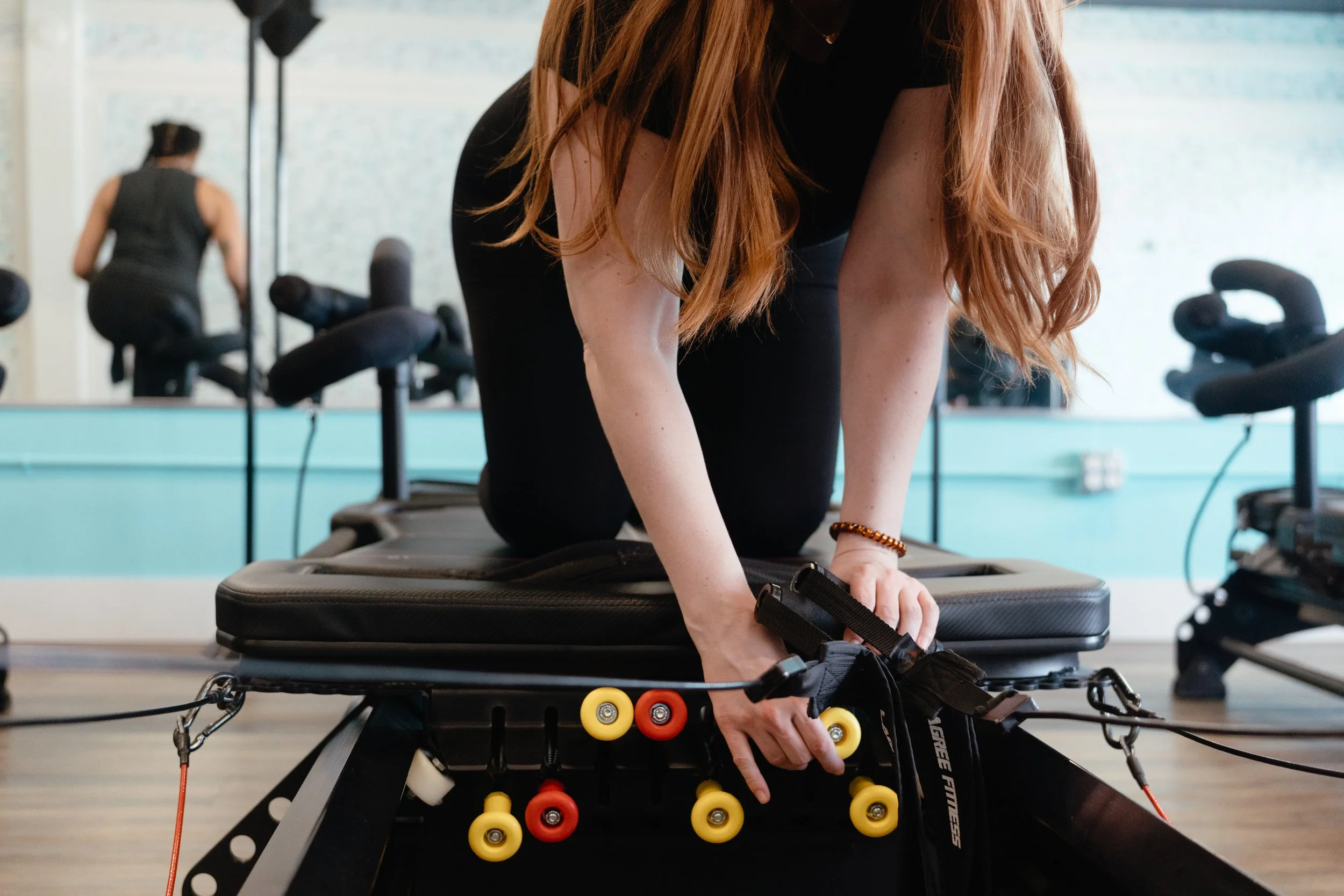
Let's talk about the core.
Because fitness has always had an aesthetic attached to it.
The 90s gave us skinny culture. The 2000s swung hard in the other direction and celebrated curves. And since the Pilates boom post-COVID, we've somehow landed right back at the size-0 ideal — except now she's wearing an Alo set, drinking a green juice and casually showing off a perfectly flat stomach while telling us this is what "strong" looks like.
And listen...I love an Alo set.
But let's actually think about this for a second.
A flat stomach is not the definition of a strong core.
And I honestly think that's something the Pilates industry should be talking about a hell of a lot more.
Your core can be incredibly strong without being flat, defined or remotely resembling the stomach of the person teaching your class. Genetics, body composition, hormones, nutrition and a whole host of other factors influence what your midsection looks like.
Strength is what your body can do. Aesthetic is what your body looks like. They're not the same thing.
What Your First 90 Days at Core (LP) Could Look Like
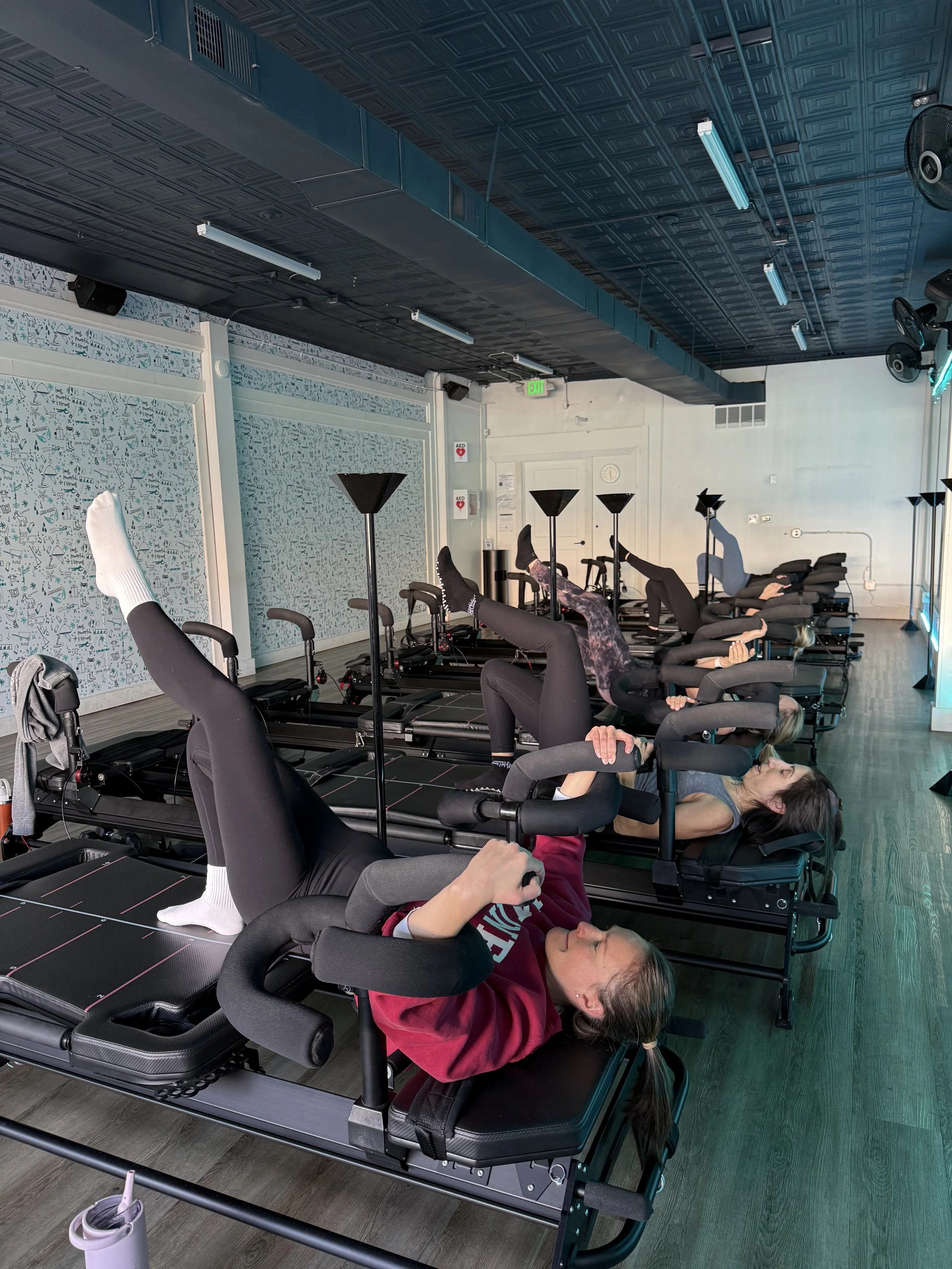
We promise, your first 90 days won’t be someone handing you a mat and wishing you luck.
We actually want to know you, your body, and what you want to experience from your time with us.
Because the right starting point for one person might look completely different from the right starting point for someone else.
The Fitness Industry Has Sold Us A Lie About “Balance”
We talk about balance a lot in life. Work life balance, the balance between exercise and eating what our body needs. we hear this word “balance” a lot…yet balance can’t come first if your goal is change.
Work hard, but make time for yourself. Eat well, but enjoy your favorite foods. Train consistently, but don't overdo it. Get enough sleep, drink your water, spend time with your family, have a social life, answer your emails, take care of your house, make time for your friends...
Sounds great.
But here's the problem:
You can't have balance when you haven't built the foundation that makes balance possible.
I see this all the time with fitness.
Someone wants to "find balance" with exercise, but they haven't established any consistency yet. They want to know how to fit workouts into their life without feeling overwhelmed, but they haven't actually made taking care of themselves a priority.
So they keep trying to find the perfect schedule that somehow requires no sacrifice.
And that doesn't really exist.
Why Continuing To “Think About It” Is Keeping you Stuck
There is a group of people I see all the time in fitness.
They are researching.
They're comparing.
They're reading reviews, saving Instagram posts, asking their friends what they do, looking at class schedules, wondering whether Pilates-inspired strength training will work for them, wondering whether it will be too hard, wondering whether they need to lose weight before they start, wondering whether they should lift weights instead...
And six months later, they're still thinking about it.
Meanwhile, there is another group of people who started. They weren't particularly confident. They didn't know what they were doing during the first 5-10 sessions. They missed classes. They had weeks where their nutrition was a mess. They had busy work weeks and stressful family weeks and vacations and weekends where they ate too much and moved too little. They didn't do it perfectly. They just kept coming back.
And those are the people I watch change.
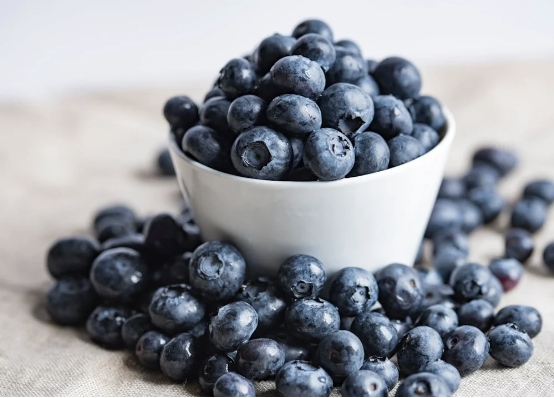
You're Working This Hard in Class. Are You Actually Fueling It?
If you've been doing Pilates-inspired strength training for a while, you already know the workout is demanding.
You know the feeling when your legs start shaking halfway through a hold. You know what it feels like to move slowly when every part of you is begging to speed up. And you definitely know that "low impact" does not mean easy.
But here's something I see all the time in consultations and goal reviews. People are willing to put in the work in class while completely under-fueling the work they're asking their bodies to do.
And if you're consistently doing Pilates-inspired strength training, your nutrition matters.
Not because you need to eat perfectly. Not because you need to count every calorie. And definitely not because you need another set of rules around food.
You need to give your body enough energy and the right building blocks to actually perform, recover, and get stronger.
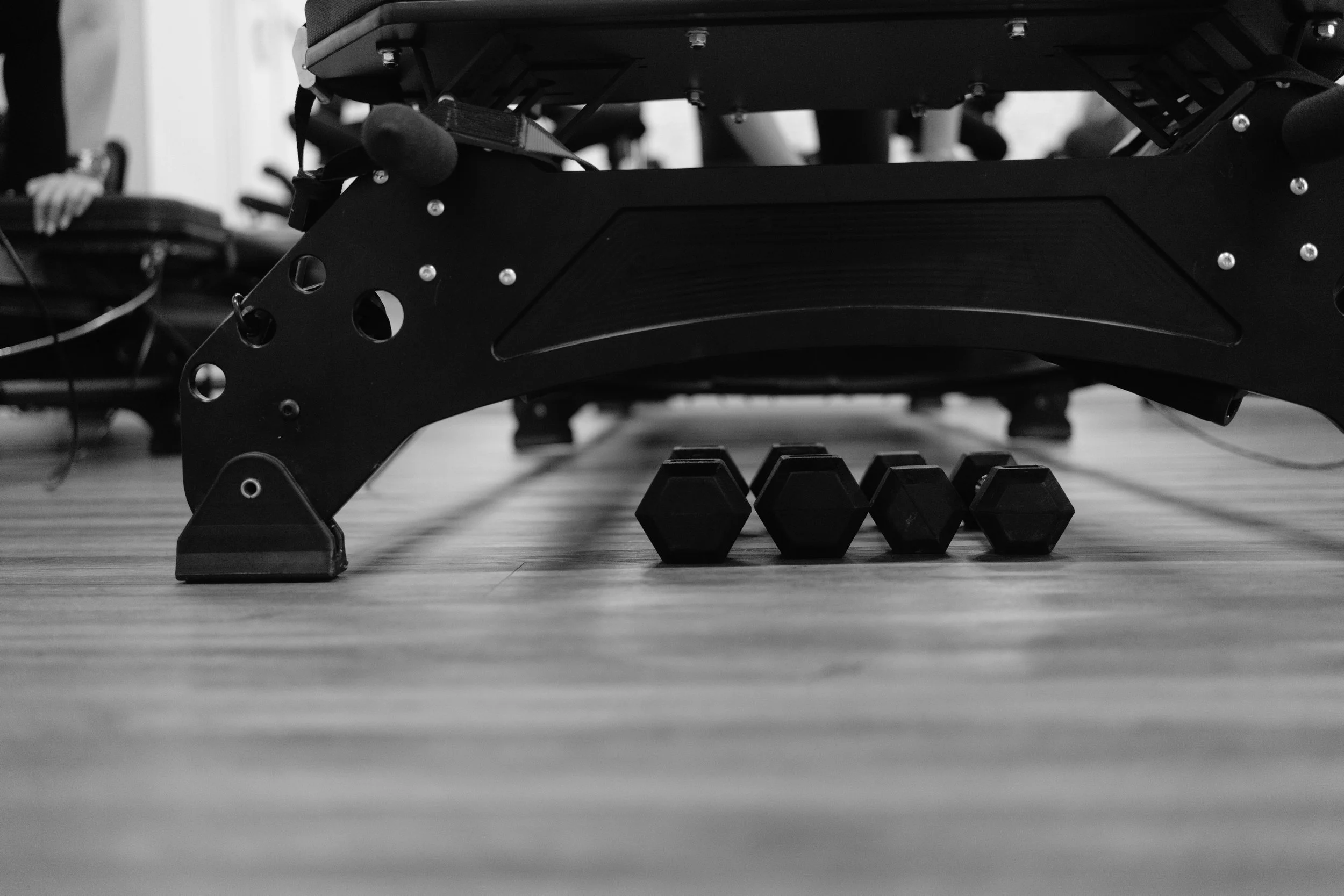
HIIT Training, Cortisol Belly, and Perimenopause: Should You Break Up?
When Hillary Duff recently shared that she changed the way she trains during perimenopause, it sparked a bigger conversation: Are women over 40 doing the wrong workouts?
If you've spent more than five minutes on social media lately, you've probably seen someone say:
"Stop doing HIIT. It's causing your cortisol belly."
Then someone else says women over 40 should only walk.
Another person swears by lifting heavy.
And suddenly you're left wondering...
What am I actually supposed to do?
As a woman who has spent years coaching clients through different seasons of life—including perimenopause—I think this conversation deserves a little more of a conversation.
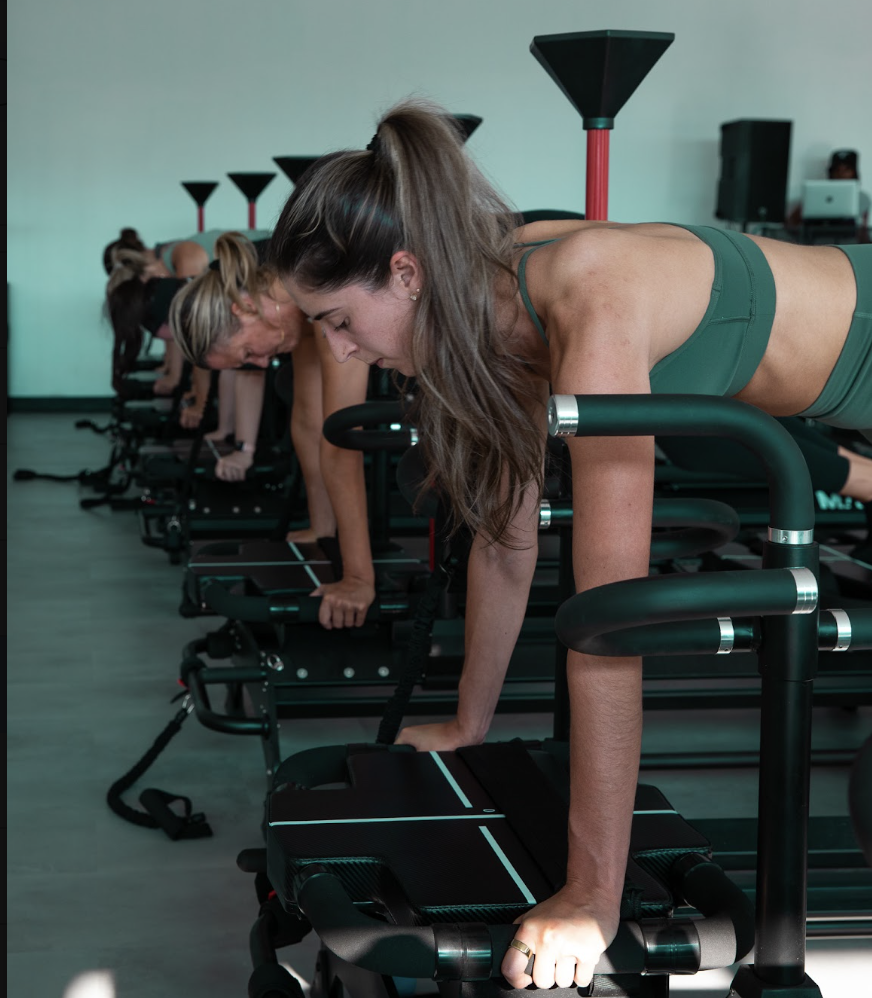
Is Reformer Pilates Hard?
The short answer?
It depends.
But probably not for the reason you're expecting.
Most people think "hard" means jumping, sprinting, burpees, or leaving class completely spent.
Pilates-inspired strength training is different.
Instead of asking your body to move faster, it asks your muscles to work longer.
And that's where things get interesting.
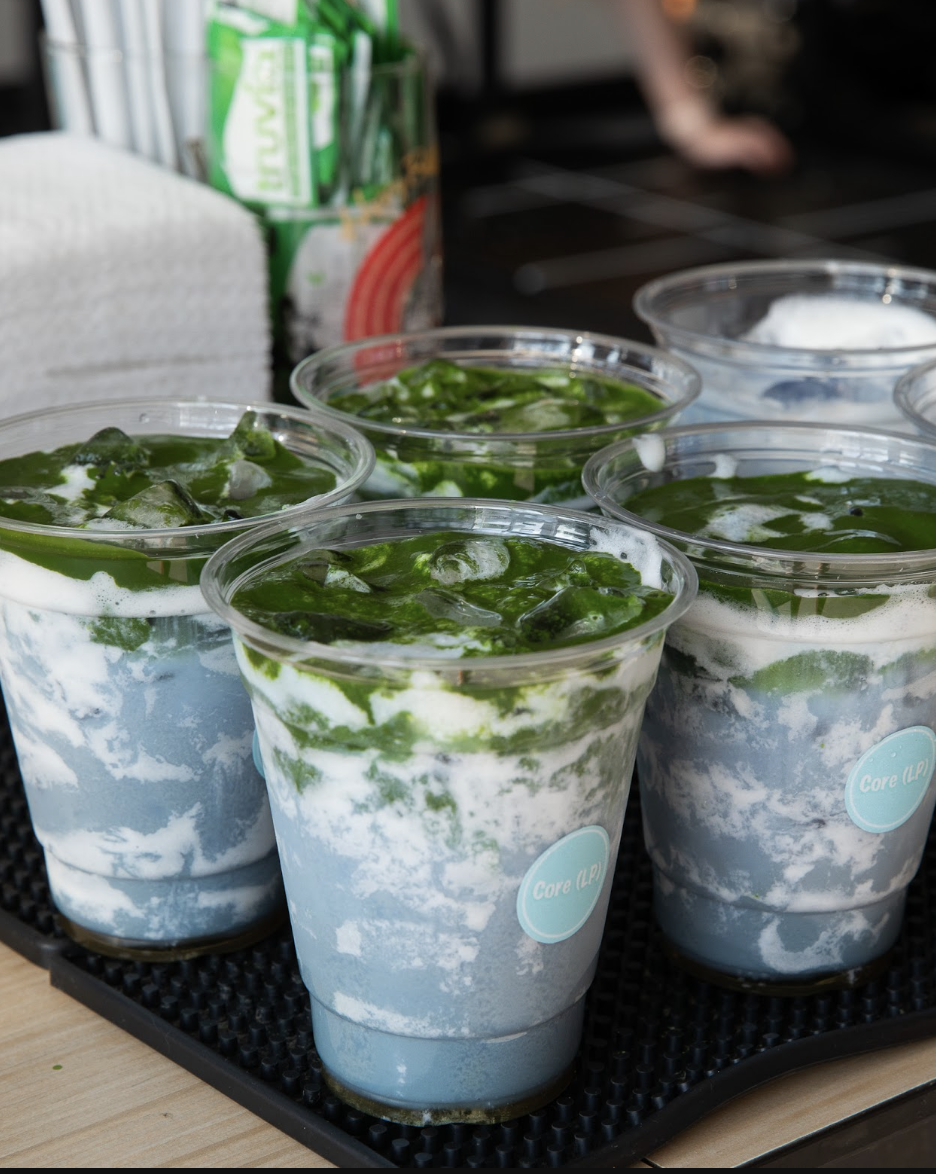
How Many Calories Does Reformer Pilates Burn?
Sometimes we get asked,
"How many calories does Reformer Pilates burn?"
And honestly...
I think it's the wrong question.
Not because calories don't matter.
But because calories are only one tiny piece of a much bigger picture.
Strength Training Without Weights: Can You Really Build Lean Muscle?
Have you ever noticed that when most people picture strength training, they picture barbells, squat racks, and someone deadlifting a ridiculous amount of weight?
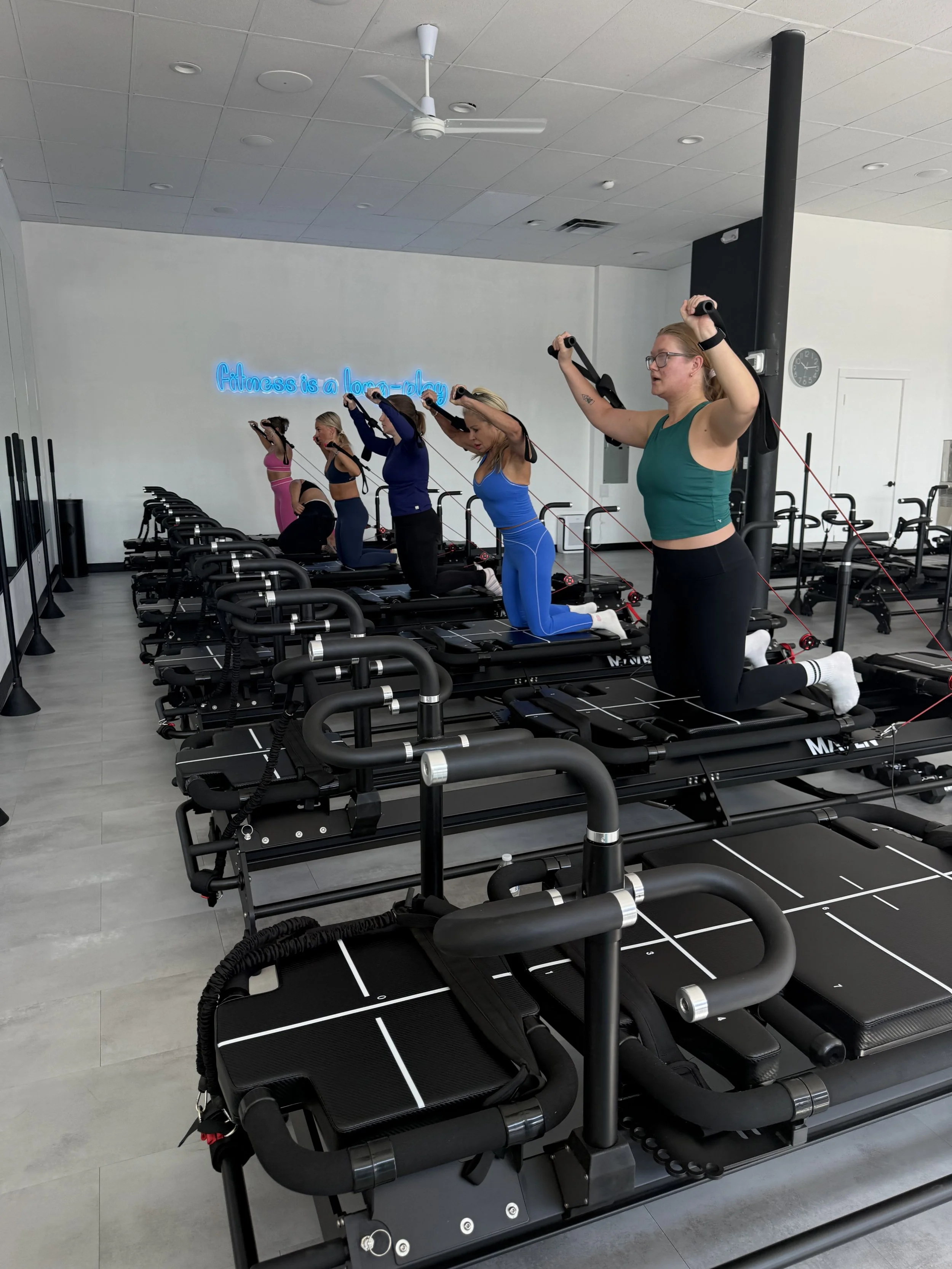
They probably aren't picturing someone moving painfully slow on a spring-loaded machine while their legs shake uncontrollably.
Yet both people might be building muscle.
One of the biggest misconceptions in fitness is that you have to lift heavy weights to get stronger. In reality, your muscles don't know whether resistance comes from a dumbbell, a cable, a resistance band, or a spring.
They simply respond to challenge.
What Should I Wear to Pilates?
Let's start with what everyone is really wondering.
No...
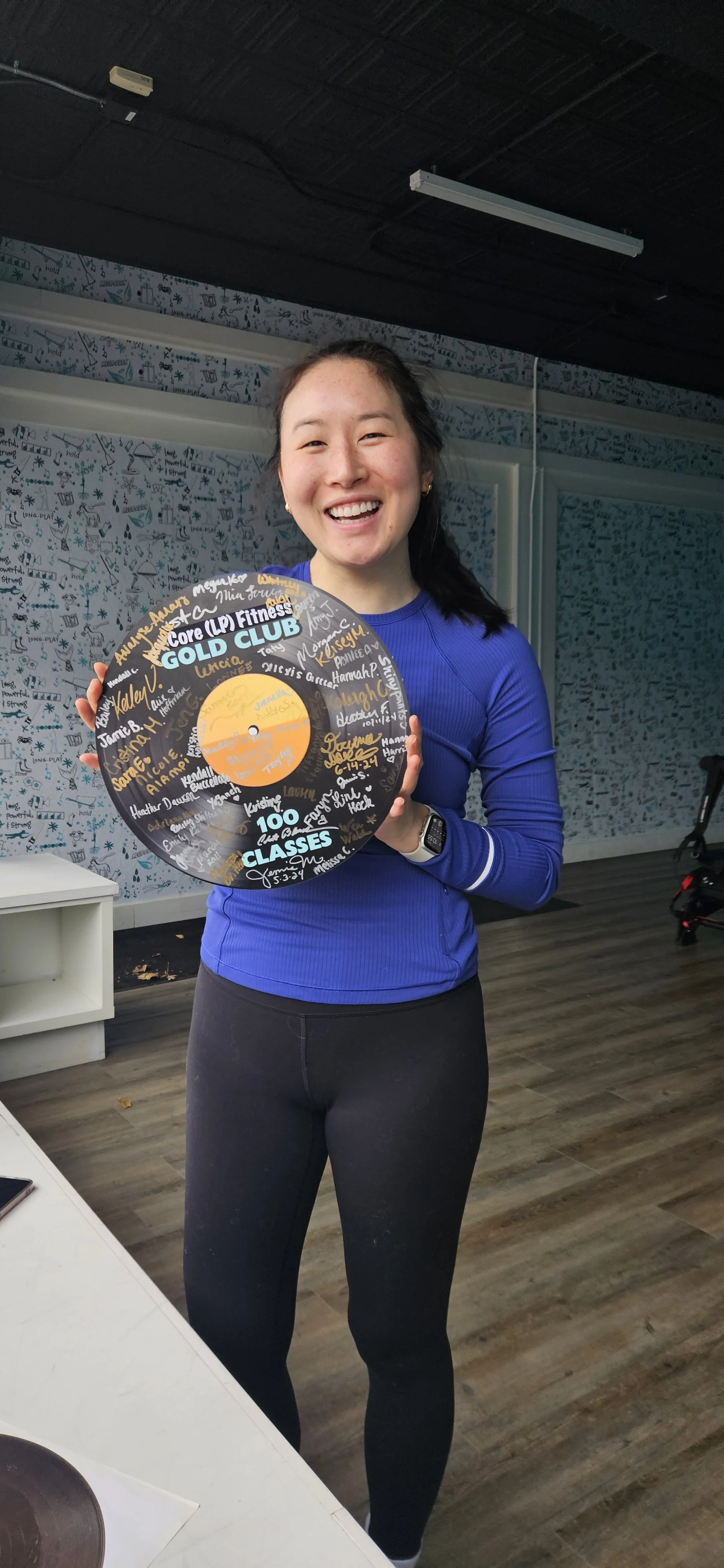
You don't need the matching workout set.
You don't need the trendy socks.
And absolutely nobody is judging your outfit.
We promise.
How Many Times Per Week Should I Do Pilates as a Beginner?
When I first started working out during my senior year at Michigan State, I thought the only way I'd see results was if I worked out every single day.
Then one of my friends convinced me to join an eight-week fitness challenge.
The commitment?
Just two classes a week.
I'll admit...I laughed.
Two workouts? That wasn't going to change anything.
Fast forward eight weeks, and not only had those two workouts become one of my favorite parts of the week, but they completely changed the way I looked at fitness.
Because I learned something I still tell clients today:
You don't need to do more. You need to do what you can actually sustain and then build from there.
Should I Do Cardio or Pilates First?
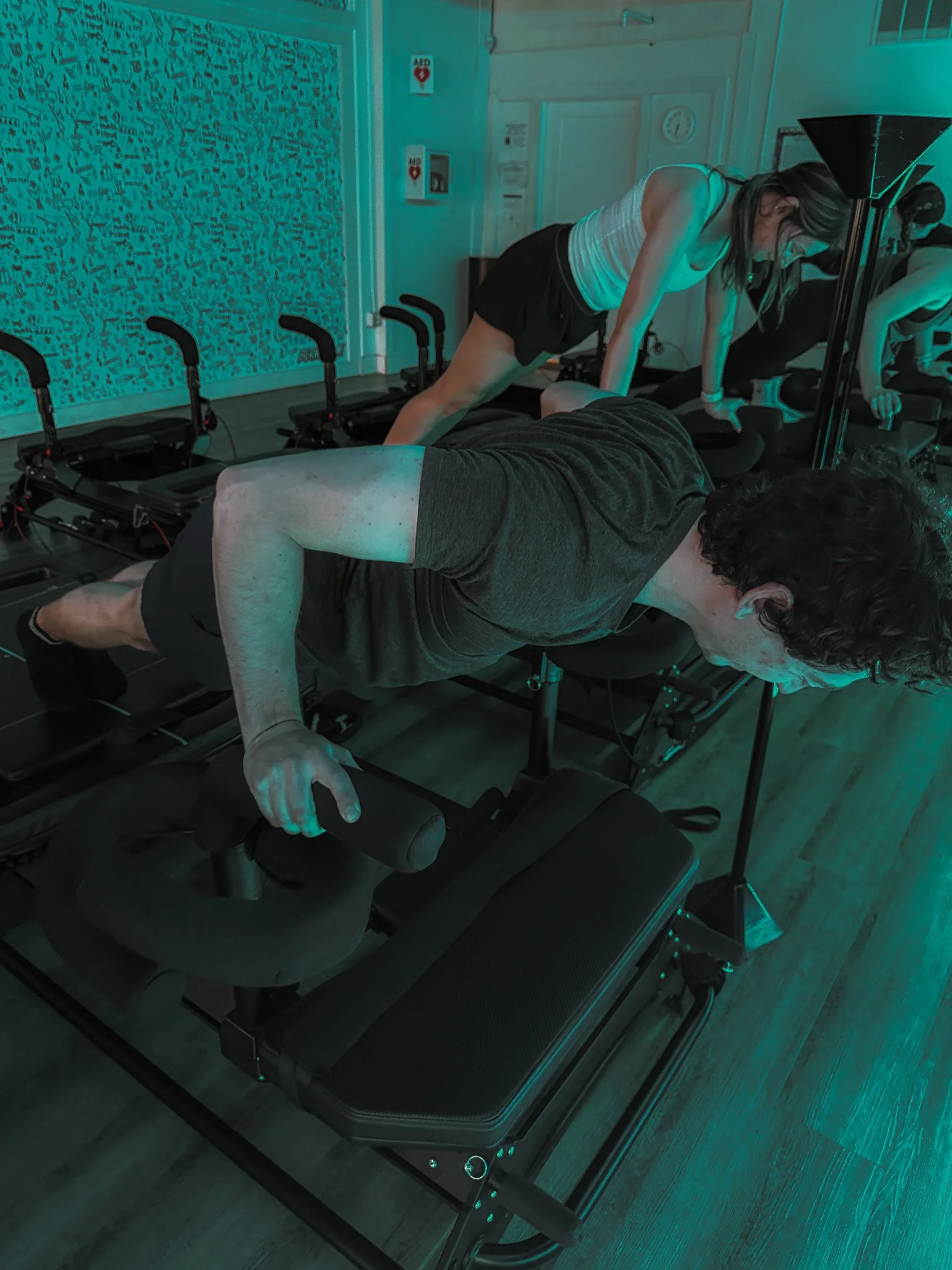
If you've ever combined running, walking, cycling, or another form of cardio with Pilates-inspired strength training, you've probably asked yourself:
Should I do cardio or Pilates first?
The answer depends on your goals.
If your goal is improving endurance for a race or specific athletic event, your cardio workout may take priority.
But if your goals include:
Building lean muscle
Improving body composition
Getting stronger
Supporting metabolism
Creating more definition
Then Pilates-inspired strength training should usually come first.
And here's why.