
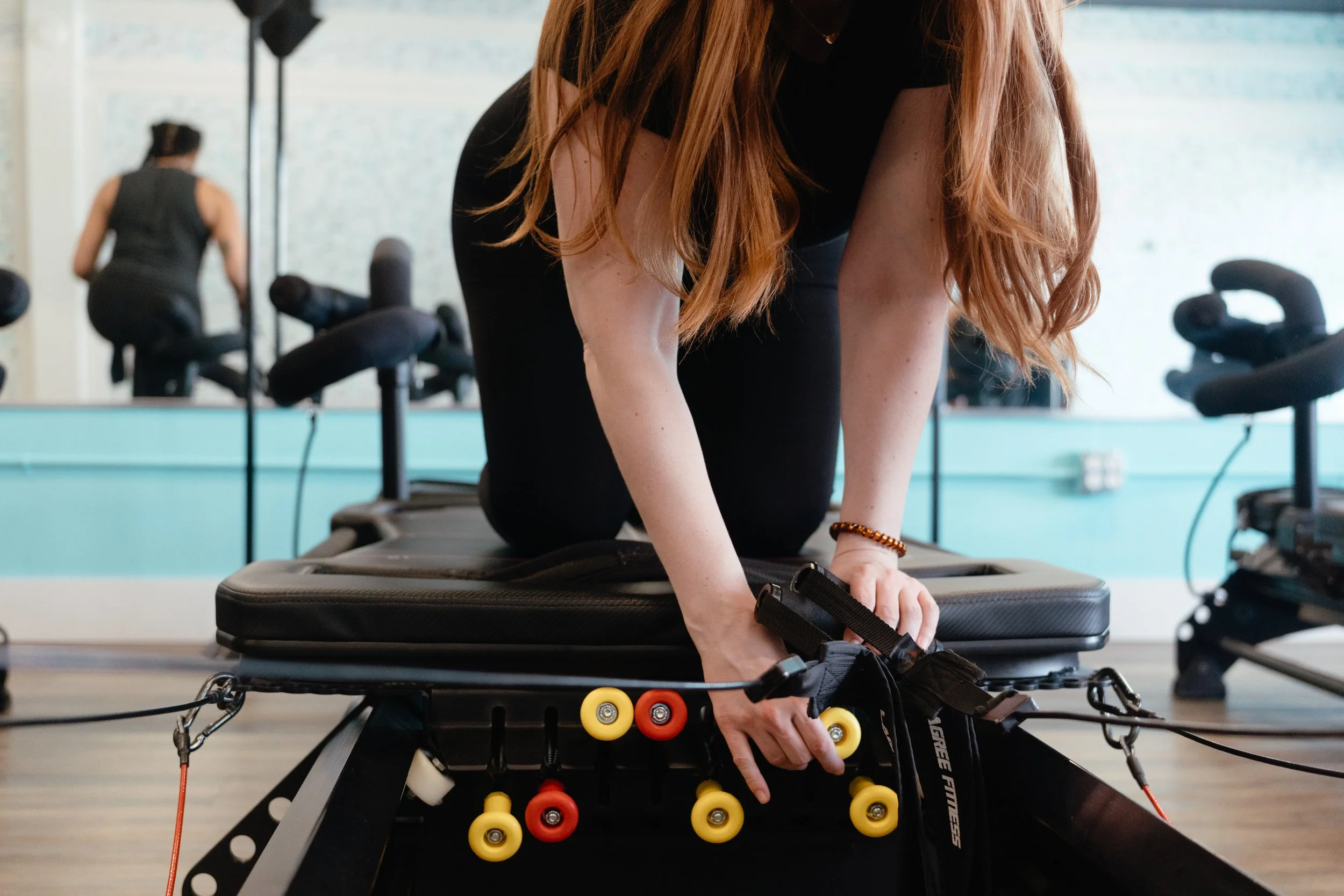
Why Core Strength Is About More Than Visible Abs
Let's talk about the core.
Because fitness has always had an aesthetic attached to it.
The 90s gave us skinny culture. The 2000s swung hard in the other direction and celebrated curves. And since the Pilates boom post-COVID, we've somehow landed right back at the size-0 ideal — except now she's wearing an Alo set, drinking a green juice and casually showing off a perfectly flat stomach while telling us this is what "strong" looks like.
And listen...I love an Alo set.
But let's actually think about this for a second.
A flat stomach is not the definition of a strong core.
And I honestly think that's something the Pilates industry should be talking about a hell of a lot more.
Your core can be incredibly strong without being flat, defined or remotely resembling the stomach of the person teaching your class. Genetics, body composition, hormones, nutrition and a whole host of other factors influence what your midsection looks like.
Strength is what your body can do. Aesthetic is what your body looks like. They're not the same thing.
Strength Training Without Weights: Can You Really Build Lean Muscle?
Have you ever noticed that when most people picture strength training, they picture barbells, squat racks, and someone deadlifting a ridiculous amount of weight?
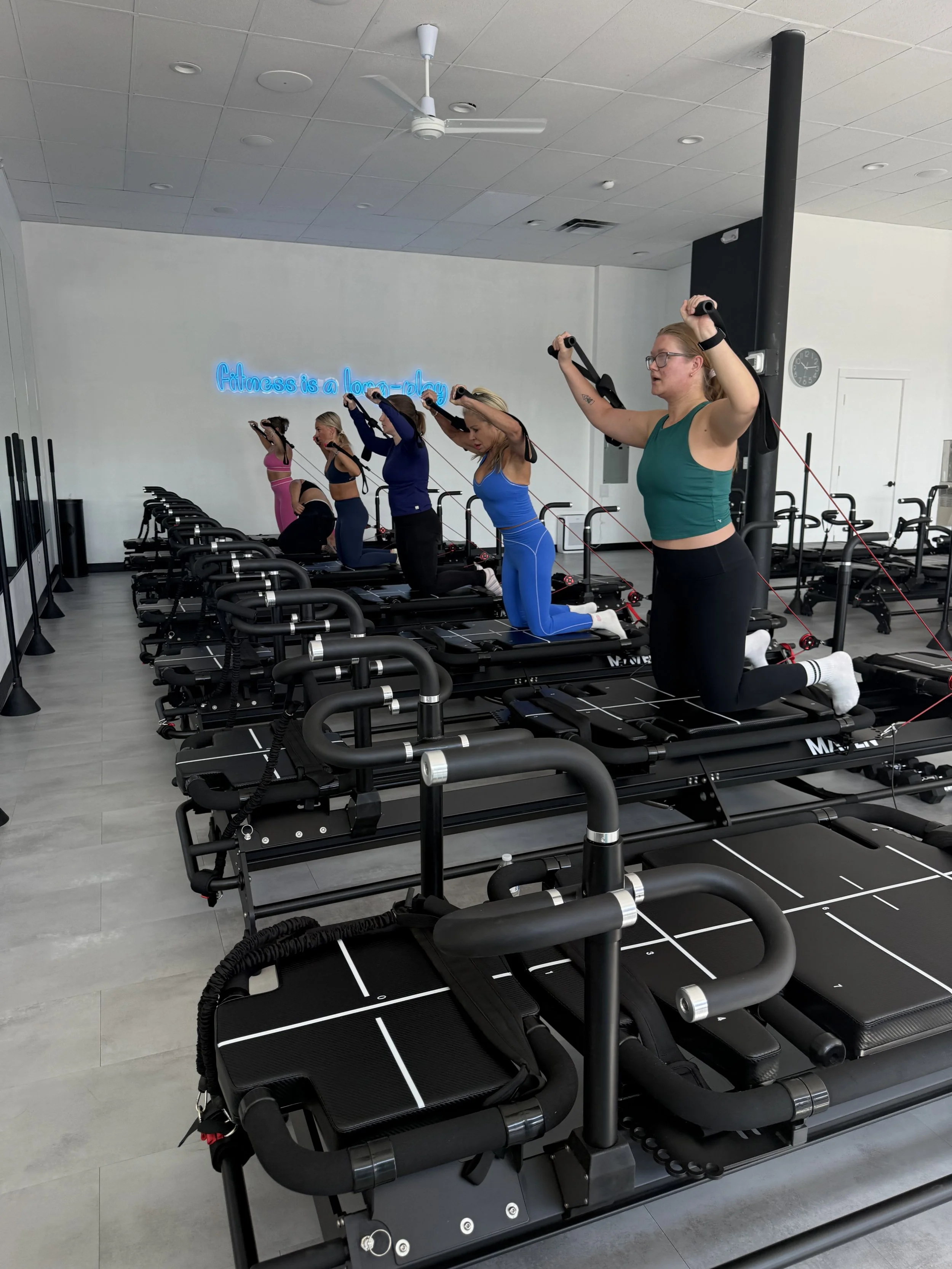
They probably aren't picturing someone moving painfully slow on a spring-loaded machine while their legs shake uncontrollably.
Yet both people might be building muscle.
One of the biggest misconceptions in fitness is that you have to lift heavy weights to get stronger. In reality, your muscles don't know whether resistance comes from a dumbbell, a cable, a resistance band, or a spring.
They simply respond to challenge.
What Should I Wear to Pilates?
Let's start with what everyone is really wondering.
No...
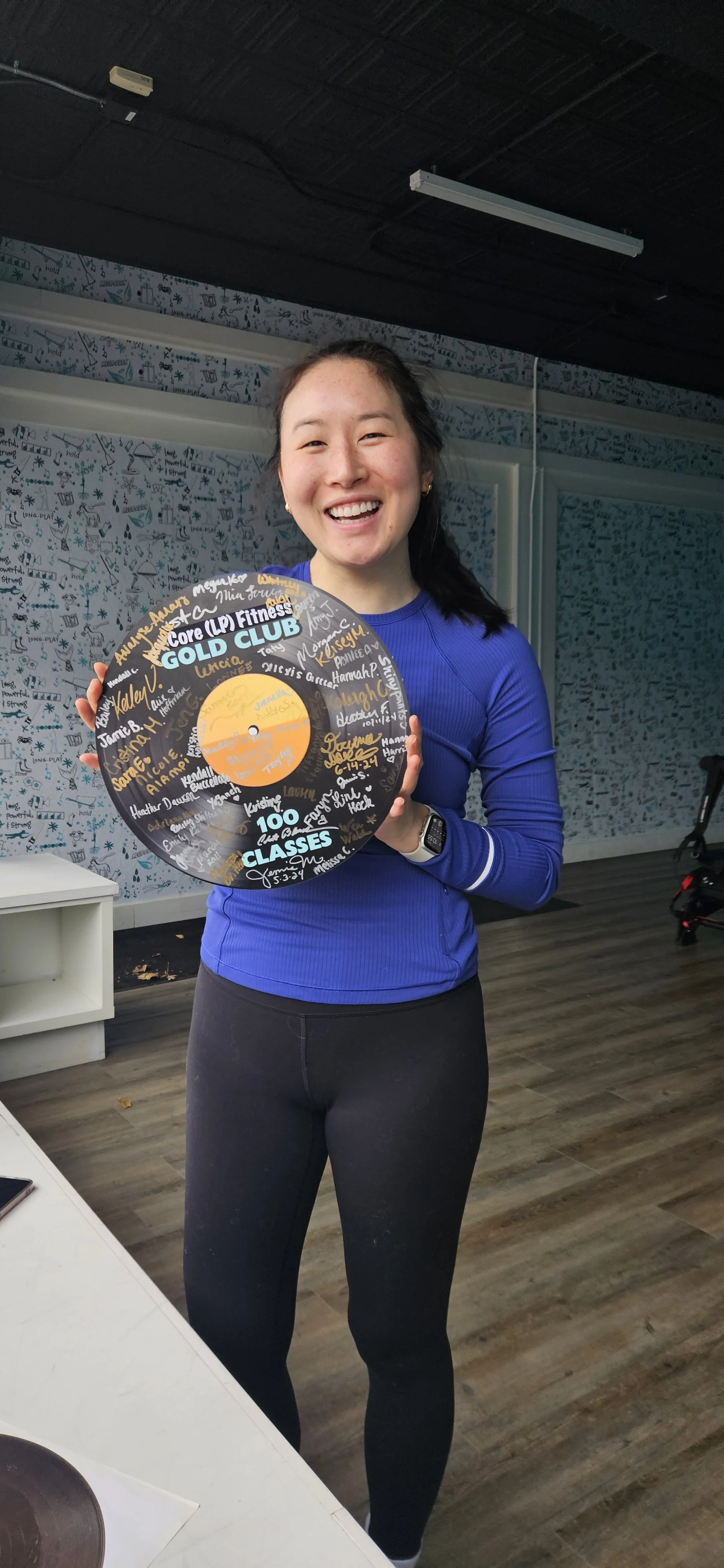
You don't need the matching workout set.
You don't need the trendy socks.
And absolutely nobody is judging your outfit.
We promise.
You Don’t Have to Earn Rest to Get Results
Growing up Hollywood taught us that rest is a reward. We had to completely destroy our bodies (and our brains) in order to earn rest. That if you skipped a workout, you have to "make up for it." That if you took two days off, you should double your workouts. Or worse..that you needed to “earn” food.
The truth?
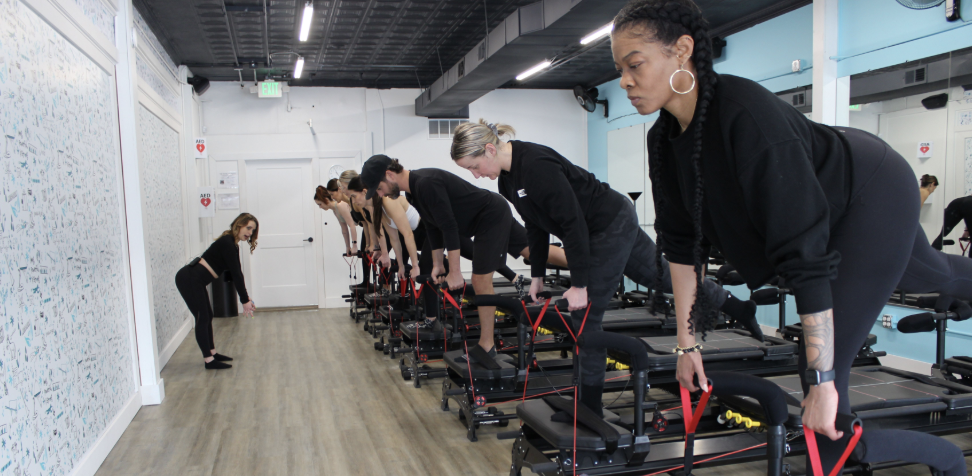
Your body doesn't only get stronger during the workout. It also gets stronger when it recovers from it. Training creates the stimulus. Recovery is where the adaptation happens.
If you're constantly pushing without giving your body time to rebuild, you may be limiting your progress.